How to Get Rid of Old Carpet: Disposal, Recycling, and Removal Options
October 13, 2026

January 29, 2026


From old computers tucked in storage closets to outdated office printers and resident TVs left in basements, e‑waste recycling is a growing concern for apartment buildings and commercial offices across Massachusetts. Electronics contain materials that can pose real environmental and health risks when disposed of incorrectly. In Massachusetts, improper disposal also carries regulatory consequences that property owners and managers must take seriously.
This guide explains how e‑waste recycling works for apartment buildings and offices in Massachusetts, what the law requires, and how to manage electronics safely without adding stress to already busy operations. The goal is to give you clarity, reduce compliance risk, and help you choose a responsible path forward.

Massachusetts treats electronic waste differently from everyday household trash because many devices contain hazardous materials. When electronics are sent to landfills, these materials can contaminate the environment and create long‑term risks.
Common concerns include:
These substances can leach into soil and water if not handled correctly, which is why the state closely regulates how electronics must be disposed of.
Electronics commonly found in apartment buildings and offices — such as televisions, computers, printers, and networking equipment — often fall under Massachusetts disposal restrictions.
Improper disposal can lead to:
Addressing electronics early helps avoid disruptions and keeps properties operating smoothly.
Globally, only about 22 percent of electronic waste is formally recycled. The remaining majority is discarded or handled informally, which results in lost materials and increased environmental risk.
Massachusetts regulations are designed to reverse this trend by ensuring electronics are handled responsibly at the local level, especially in shared residential and commercial settings.
For property managers and building owners, understanding electronic recycling bans is essential. Massachusetts enforces specific disposal rules that often catch people off guard, particularly during tenant move‑outs, renovations, or office cleanouts.
A deeper explanation of these requirements is available in this guide on electronic recycling bans, which outlines what cannot go into the trash and why compliance matters.
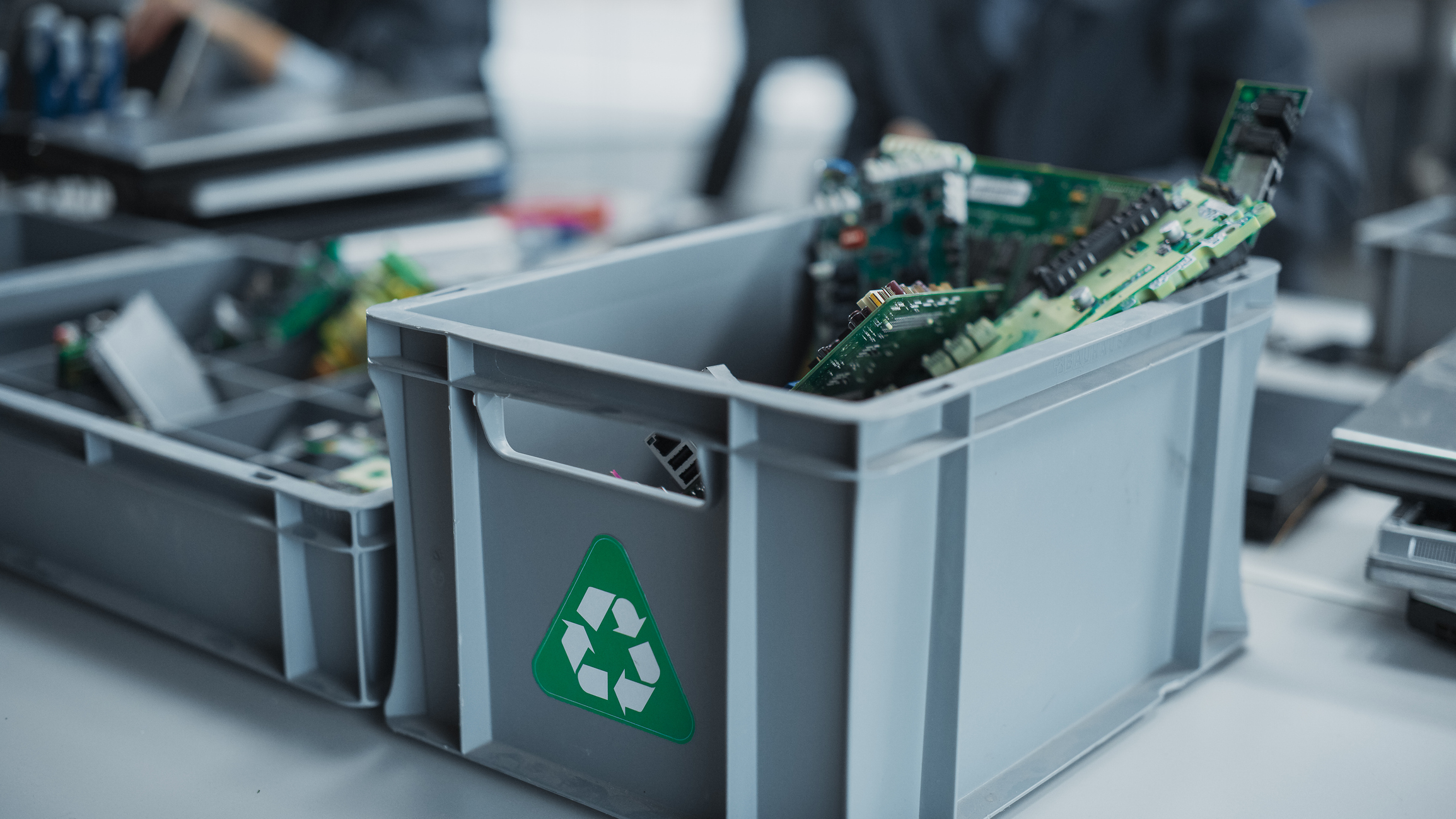
Massachusetts bans certain electronics, including cathode ray tube (CRT) televisions and monitors, from landfill disposal. Many towns also restrict other electronics from regular trash collection. These rules apply not only to single‑family homeowners but also to apartment buildings, property managers, landlords, and commercial offices.
When electronics are placed in dumpsters or compactors, municipalities may reject the load or issue warnings and fines. Over time, repeated violations can create compliance headaches that slow operations and strain relationships with local waste authorities.
Some electronics contain mercury, rechargeable batteries, or other components classified as universal waste. These items require special handling and cannot be mixed with standard refuse or recycling streams. Proper sorting is critical, especially in shared buildings where multiple residents or tenants are discarding items at the same time.
For offices and mixed‑use buildings, data security is another critical concern. Computers, servers, and storage devices often contain personal or business data. Before recycling, data should be wiped or destroyed to reduce the risk of unauthorized access or legal exposure.
Buildings that support professional services, healthcare offices, or financial firms must be especially careful. Data breaches caused by improper disposal can have legal and reputational consequences that far outweigh the cost of doing things correctly.
Start by identifying the types of electronics commonly disposed of in your building. This may include items left behind during tenant turnover, office upgrades, or storage cleanouts:
Knowing what you are dealing with helps determine the safest and most efficient recycling approach. It also makes it easier to communicate expectations clearly to residents or staff.
Clear communication prevents electronics from being left in hallways, dumpsters, or recycling bins. Written notices, emails, or posted signage should explain:
For residential properties, this step is especially important during move‑out seasons. Pairing e‑waste guidance with information about residential clean‑out expectations can reduce last‑minute dumping and protect common areas.
Different properties require different solutions. Common options include:
Professional services that specialize in e waste recycling are often the most efficient option for apartment buildings and offices that want predictable, compliant results without tying up staff time.
Before electronics leave your property, data protection should be addressed. This is especially important for commercial offices and shared workspaces where devices may contain sensitive information.
Best practices include:
When handled correctly, responsible electronics recycling protects residents, tenants, and businesses while reducing long‑term risk.
Apartment buildings often deal with electronics and appliances at the same time. Items like refrigerators with digital controls, smart washers, or office break‑room equipment can blur the line between electronics and appliances.
Understanding the difference between appliance removal and electronics recycling helps ensure each item is handled correctly. Appliances may require refrigerant removal or metal recycling, while electronics require specialized processing. If you are unsure how to get rid of old appliances, separating these items early prevents delays and compliance issues.
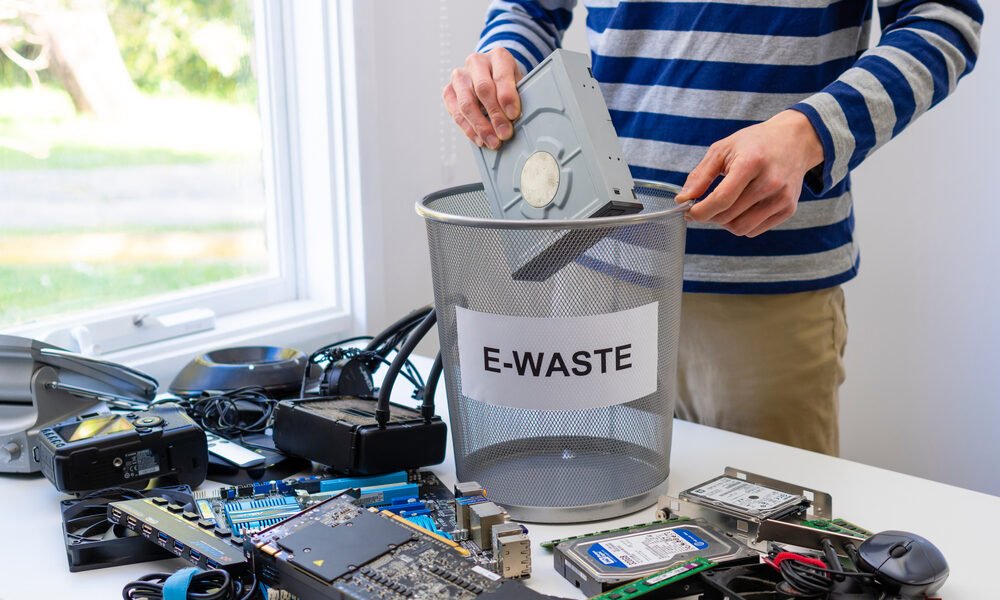
Most Massachusetts towns do not allow electronics in curbside recycling. Instead, electronics are accepted at:
Resources like RecycleSmart MA and municipal recycling directories can help identify approved locations. For buildings with frequent turnover or ongoing electronics disposal, a recurring pickup plan may be the most practical solution.
For a broader perspective on the reason to start recycling today, responsible electronics disposal supports environmental protection, community standards, and long‑term sustainability goals across Massachusetts.
Managing electronics properly delivers several long‑term benefits for apartment buildings and offices:
For many Massachusetts property owners, responsible e‑waste recycling is not just about compliance. It is about protecting people, property, and peace of mind while maintaining smooth operations.
If your apartment building or office needs a reliable partner for electronics disposal, Green Team Junk Removal provides compliance‑focused solutions designed specifically for Massachusetts properties. From scheduled pickups to full‑scale cleanouts, our team helps reduce risk, protect data, and keep your property running smoothly.
When you are ready to plan a responsible pickup or need guidance on next steps, contact Green Team Junk Removal and let us handle the details the right way.
No. In Massachusetts, many electronics are banned from landfill disposal. Apartment buildings should provide clear guidance to prevent electronics from ending up in dumpsters.
Yes. Offices are responsible for ensuring computers, monitors, and related devices are recycled through approved channels and not discarded as regular waste.
Data should be wiped or destroyed before recycling. Using certified services reduces the risk of data exposure or compliance issues.
This depends on building size and turnover. Many properties schedule quarterly or semi‑annual pickups to prevent accumulation.
Yes. Electronics recycling is often coordinated alongside residential clean‑outs or appliance removal to streamline the process and reduce disruption.
We service all of Massachusetts so if you don't see your town below just mention your zip code in our online form or call us to see if we can accommodate you.