What is Curbside Junk Removal and How Does it Work?
September 28, 2026

March 6, 2026

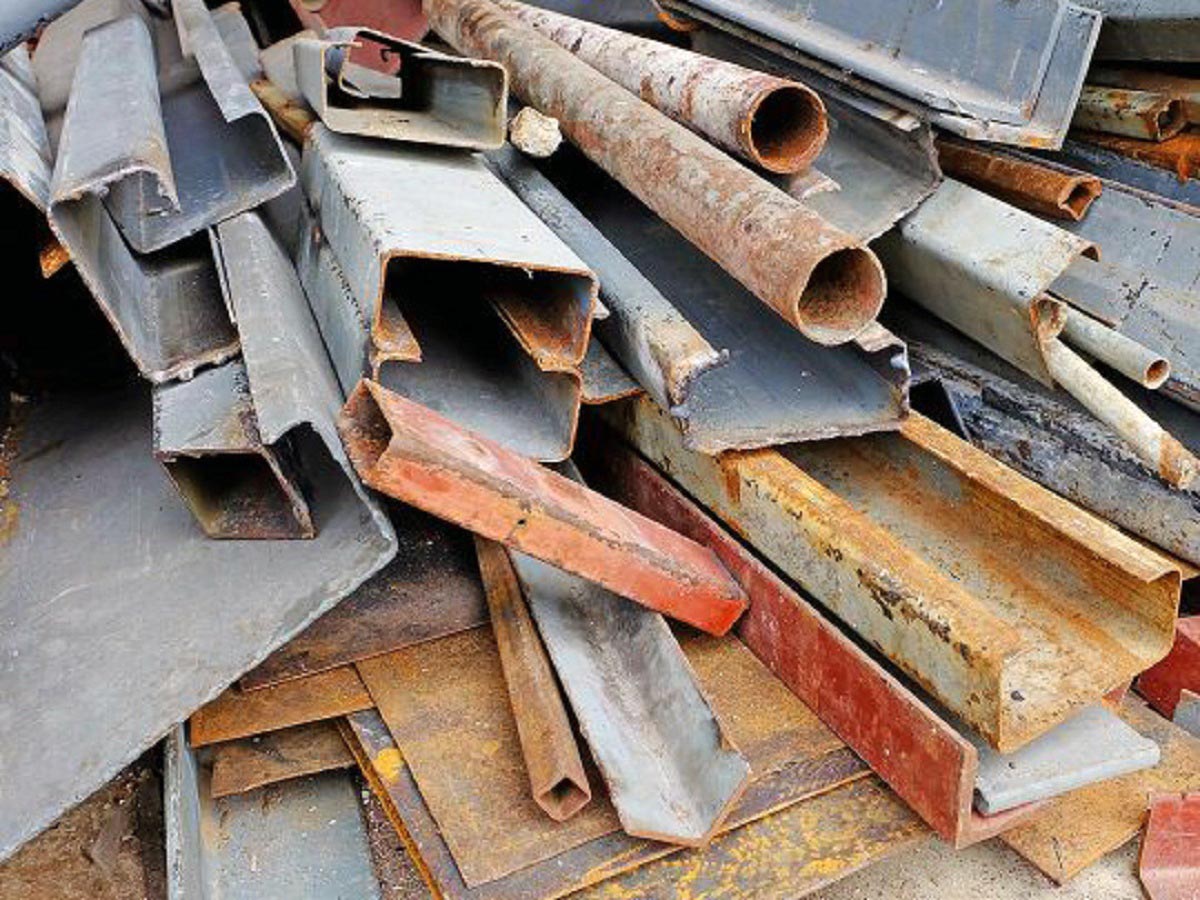
Scrap metal looks simple on the surface. Old appliances. Broken grills. Rusted shelving. Renovation debris. But in Massachusetts, scrap metal disposal is tied to safety rules, environmental laws, and municipal waste bans that many homeowners don’t expect. That’s where junk removal for scrap metal becomes more than hauling. It becomes risk management.
If you’re a homeowner, property manager, or commercial operator, the goal isn’t just to get rid of metal. The goal is to do it safely, legally, and without damage to your property or the environment. This guide explains how professional junk removal crews handle scrap metal the right way and why that matters more than most people realize. Let’s break down how safe scrap metal removal actually works.
Scrap metal is heavy, sharp, and often contaminated. Old metal items can contain oils, refrigerants, electrical components, or hazardous residues. Removing them without training creates real risk.
Professional junk removal companies are trained to manage three main hazards:
Scrap metal injuries are common during DIY removal. According to the U.S. Bureau of Labor Statistics, over 20,000 workplace injuries per year are linked to scrap handling and material recovery operations. Many of these injuries involve cuts, crush injuries, and lifting trauma.
Homeowners don’t have commercial lifting equipment or industrial gloves. A single appliance can weigh hundreds of pounds. Improper lifting damages backs, floors, stairs, and door frames.
Professional crews use:
The goal is simple: nothing gets hurt — not people, not property. And if you’re managing an estate or tenant turnover, you already have enough stress. Physical risk shouldn’t be part of the equation.
Massachusetts has some of the strictest waste bans in the country. Many metal items cannot go into regular trash.
The Massachusetts Department of Environmental Protection (MassDEP) bans landfill disposal of:
Improper disposal can trigger fines or municipal refusal to collect. MassDEP estimates that more than 1 million tons of metal are recycled annually in Massachusetts through regulated channels, because landfill disposal is restricted. Professional junk removal companies operate inside these rules. They don’t guess. They sort, document, and route materials correctly. When towns reject items, homeowners often panic. Professional removal exists to prevent that moment entirely.
Scrap metal recycling is not optional from an environmental perspective. The International Energy Agency reports that recycling steel reduces energy use by up to 60% compared to producing new steel from raw materials. Recycling aluminum saves even more — up to 95% energy reduction.
That’s why professional scrap metal removal prioritizes diversion over dumping. Donation-first and recycling-first sorting ensures metal re-enters the material cycle instead of becoming landfill waste. This isn’t marketing language. It’s measurable environmental protection.
Many people assume scrap metal removal is a weekend project. In reality, DIY handling introduces risks that are easy to underestimate.
Common DIY issues include:
Even a small appliance can shift during transport and cause vehicle accidents. Municipal facilities often require pre-sorting and documentation. If the load is rejected, you still have to bring everything home.Professional crews remove uncertainty from the process. They arrive with the right tools, the right truck capacity, and a structured plan.
That predictability is why property managers and real estate professionals rely on trained junk removal teams instead of DIY disposal. This is a clear role of junk removal service in high-risk environments: removing uncertainty while protecting people and property.
Scrap metal frequently appears during remodeling projects. Old pipes, fixtures, ductwork, and framing components pile up quickly. These materials are heavy, irregularly shaped, and often mixed with other debris.
Construction-related scrap removal requires:
This overlaps directly with construction debris removal, where mixed materials must be separated and handled safely.
Contractors benefit from professional scrap handling because it keeps job sites safer and timelines cleaner. Homeowners benefit because the cleanup doesn’t damage new finishes. When metal is removed correctly, renovation projects move forward without interruption. If a remodel has stalled because debris is building up, there’s a simple solution.
Here’s what actually happens when trained crews handle scrap metal:
This process isn’t visible to customers, but it’s what separates professional junk removal from unregulated hauling. Each step reflects the role of junk removal service as a compliance safeguard, not just a hauling option. And when you’re a property manager or commercial client, compliance isn’t optional. Liability follows the waste stream.
Scrap metal removal often happens during estate transitions. Garages, basements, and workshops contain decades of accumulated tools and materials. These spaces carry emotional weight. Professional junk removal crews are trained to move deliberately in these environments. The focus isn’t speed at all costs. It’s respectful handling.
Customers frequently worry about:
A professional team slows the process down enough to protect important belongings while still completing the cleanout efficiently. In estate settings, a single example of junk might look insignificant, but crews are trained to pause and confirm decisions before removal. Metal is sorted carefully, and customers retain full control over what leaves the property. This balance of compassion and structure is essential during estate work.
People hear the word recycling often, but few understand how scrap metal actually re-enters the material stream. Professional junk removal connects customers to a network of licensed processors.
This infrastructure demonstrates the long-term role of junk removal service in supporting circular material systems. These facilities melt, refine, and reintroduce metal into manufacturing supply chains. The process reduces mining demand and energy consumption.
According to the World Steel Association, recycled steel accounts for roughly 30% of global steel production annually, significantly lowering industrial emissions. That impact only happens when materials are routed correctly. Dumping metal into general waste breaks the cycle. Responsible removal protects both the local environment and global supply chains.
Unremoved scrap metal isn’t just clutter. It can become a safety hazard and a legal concern. Metal piles attract moisture, rust, and pests. Sharp edges create injury risk for children and pets. In commercial properties, unmanaged debris can violate lease agreements or safety codes. Property professionals view scrap accumulation as a liability issue.
In commercial settings, even a small example of junk left unmanaged can escalate into safety or code violations. Removing it quickly protects asset value and tenant safety. If scrap metal is starting to feel like a problem instead of a project, professional removal restores control.
Scrap metal removal looks simple until it isn’t. The weight, the sharp edges, the Massachusetts regulations, the environmental rules — they all add up quickly.
Professional junk removal for scrap metal exists to absorb that complexity so customers don’t have to.
When it’s handled correctly, you gain:
And during a transition, relief is often the most valuable outcome of all.
If scrap metal is sitting where it doesn’t belong, there’s a clear next step.
Scrap metal doesn’t need to sit in your home, office, or job site any longer. Green Team Junk Removal handles Massachusetts-compliant scrap cleanouts with safety, care, and ethical disposal at the center of every job.
Whether you’re managing an estate, finishing a renovation, clearing a rental property, or protecting a commercial space, our crew removes the risk not just the metal. You get a predictable process, respectful handling, and confidence that everything is sorted and recycled correctly. You don’t need to lift it. You don’t need to sort it. You don’t need to guess where it goes.
Let’s Take Care of Your Scrap Metals!
Sometimes. But many Massachusetts transfer stations refuse certain items or require advance permits. Appliances and electronic scrap often require special handling. Showing up without preparation leads to rejection and wasted time.
Professional removal prevents surprise refusals.
Licensed junk removal companies deliver metal to recycling processors, not landfills. Massachusetts waste bans make landfill dumping illegal for most scrap metal. Reputable companies rely on diversion as a core operational standard.
The real cost is injury, fines, or property damage from DIY handling. Professional removal is about risk reduction, speed, and compliance — not just hauling.
Most customers hire junk removal during time-sensitive transitions. Speed and certainty matter more than guesswork.
That’s common. Crews separate metal on site and sort materials into donation, recycling, and disposal categories. Mixed loads are part of professional cleanouts.
No judgment. No chaos. Just structured removal.
If you’re staring at a pile of metal and thinking, “I don’t want to deal with this,” that’s normal. Scrap removal is one of the most physically demanding parts of a cleanout.
We service all of Massachusetts so if you don't see your town below just mention your zip code in our online form or call us to see if we can accommodate you.