How Much Does Junk Removal Cost? A Complete Pricing Guide
November 2, 2026

November 2, 2026

Getting rid of unwanted furniture, old appliances, or years of accumulated belongings can be a major task. Whether you're preparing to sell a home, clearing out a rental property, or helping a family member downsize, understanding the junk removal cost makes planning easier.
The price of professional junk removal varies depending on what needs to go, how much space it occupies, and whether the items require special handling.
This guide explains the average junk removal costs, provides estimates for different types of junk, and outlines the factors that affect pricing in Massachusetts.
Professional junk removal costs an average of $241 in the United States, according to Angi's September 2026 pricing report.
The report analyzed 44,583 verified projects and found that most homeowners paid between $133 and $372. Larger jobs, such as whole-house clean-outs or construction debris removal, can cost considerably more.
These figures represent national averages rather than guaranteed Massachusetts rates.
Most junk removal companies base their prices on the amount of space unwanted items occupy inside their trucks.
The following estimates are based on Angi's 2026 national pricing data.
These are national estimates for a truck with approximately 20 cubic yards of capacity. Actual prices depend on the company's truck size, local fees, materials, and labor. They are not Green Team Junk Removal's published pickup rates. For example, removing one old chair will generally require less truck space than clearing furniture and boxes from an entire basement. However, even small projects may have a minimum service charge because the company must cover travel, labor, and handling costs.
If you're planning a collection, understanding what professional junk removal services include can help you compare estimates and determine which option suits your property.
Different materials require different methods of loading, transporting, recycling, and disposal.
Understanding the pricing for junk removal by item type can help homeowners, property managers, and families plan their budgets.
Source: Angi, 2026 Junk Removal Cost Guide. These ranges are national service estimates, not fixed prices or charges that should be added together. Minimum fees, combined-load pricing, and special disposal requirements may apply.
Furniture removal generally costs between $80 and $400 per item, depending on its size, weight, and accessibility.
Common items include:
Removing a sofa from a ground-floor living room may be more straightforward than carrying a heavy wardrobe down several flights of stairs. Furniture that is still in usable condition may also qualify for donation, depending on its condition and the receiving organization's requirements.
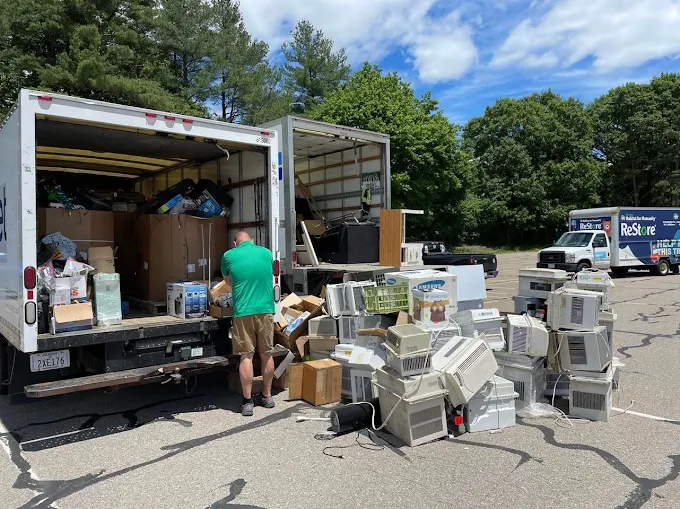
The average cost to remove a major appliance ranges from $60 to $250. Appliances often require careful lifting and transport due to their weight and internal components.
Examples include refrigerators, washing machines, dryers, ovens, and dishwashers. Refrigerators, freezers, and air conditioners may need special handling because they contain refrigerants. In Massachusetts, large appliances are among the materials subject to specific waste disposal restrictions. A professional removal company should account for the correct recycling or processing method.
Mattress removal generally costs between $75 and $150 nationally, although local recycling fees and collection arrangements can affect the final price. Massachusetts banned the disposal of most mattresses and box springs in the regular waste stream beginning on November 1, 2022. This means eligible mattresses must be directed toward approved recycling or reuse arrangements rather than ordinary disposal.
According to the Massachusetts Department of Environmental Protection's 2025 assessment, mattress recycling and reuse increased from approximately 170,000 units in 2022 to 400,000 units in 2024.
Some contaminated mattresses are exempt from the ban, but they still require an appropriate disposal arrangement.
Electronics removal costs typically range from $20 to $200, depending on the type and number of devices.
Common electronic waste includes:
Certain electronic products contain materials that require specialized recycling.
For property managers clearing offices or storage rooms, grouping several electronic items into one collection may be more practical than arranging separate pickups.
Construction debris removal generally costs between $100 and $800 for standard projects. Large or unusually heavy loads may cost more. Typical materials include wood, drywall, flooring, tiles, and other renovation waste. Construction materials can be heavier than ordinary household junk. Concrete, brick, and similar materials may also require separate handling.
Massachusetts restricts the disposal of certain construction materials, including asphalt pavement, brick, concrete, and clean gypsum wallboard. For renovation projects, separating materials that require recycling from general debris may help simplify collection.
Yard and landscaping debris removal averages around $140–$180 per US ton nationally. Common materials include branches, leaves, garden clippings, and other non-hazardous outdoor waste.
Costs depend on the amount of debris, its weight, and whether it has already been gathered for collection. Massachusetts also restricts the disposal of leaves and yard waste through ordinary solid waste disposal facilities.
Homeowners should confirm which materials their removal company accepts before scheduling collection.
The amount of junk is important, but it is not the only factor determining the final price.
A larger amount of junk generally requires more truck space and labor. Heavy materials may also increase disposal costs, even when they occupy relatively little space.
The location of your items can affect the work involved. For example, removing furniture from a basement or upper floor may require additional time compared with collecting items from an accessible garage.
Narrow staircases, restricted parking, and large objects can also affect the estimate.
Some items require separate recycling or disposal arrangements. Examples include mattresses, refrigerators, electronics, and certain construction materials.
These requirements can affect junk removal pricing, particularly when specialized processing is needed.
Travel distance, local disposal facilities, and parking conditions can affect prices. Costs may differ between properties in Holliston, Framingham, Natick, and other Massachusetts communities.
A single-item pickup is different from clearing a complete property. Estate clean-outs, rental property clearances, and hoarding-related clean-ups may require additional planning, particularly when belongings need to be identified, separated, or preserved.
For these projects, an individual assessment is usually more useful than a general online price range.
A full house clean-out does not have one standard price. The cost depends on the property's size, number of rooms, total volume of items, and how much sorting or handling is needed. For example, a relatively empty two-bedroom property may require fewer truckloads than a heavily furnished home with a full attic, garage, and basement.
A professional residential clean-out service can help manage the removal of unwanted belongings from different areas of the home, particularly when a property needs to be prepared for sale, renovation, or a change in occupancy.
Moving or downsizing: Homeowners may need furniture, appliances, and stored belongings removed before moving into a smaller property.
Estate clean-outs: Families may need time to identify personal items, documents, and belongings before removal begins.
Rental property clean-outs: Property managers may need to clear abandoned furniture and household goods between tenancies, subject to applicable property and tenancy rules.
Hoarding-related clean-ups: These situations often require careful planning, privacy, and a respectful approach. The work should account for the individual's needs and avoid rushing decisions about personal belongings.
For larger projects, it is helpful to request a site assessment that clearly identifies the agreed scope, included services, and potential additional charges.
Junk removal is not simply about transporting unwanted items to a disposal facility.
Massachusetts has regulations that restrict how certain materials can be discarded. The MassDEP Waste Disposal Bans cover materials such as mattresses, textiles, large appliances, recyclable metals, and selected construction materials.
The state's 2025 policy assessment also reported that textile recovery increased by 17% between 2022 and 2024 among surveyed organizations. These findings show why proper sorting, recycling, and reuse arrangements matter when comparing removal services. Green Team Junk Removal reports that it reuses, recycles, or donates approximately 80% of the materials it collects. The company also works with local charities to help redirect usable items toward people who can benefit from them. Through its donation and reuse services, Green Team helps give suitable furniture, household goods, and other usable belongings another purpose instead of sending everything directly to disposal.
This approach provides an option for Massachusetts households and businesses seeking responsible handling of unwanted belongings.
You may be able to manage your removal budget by preparing before the collection date.
Separate belongings into categories:
This makes it easier to explain the project's scope.
If you have several unwanted items, consider collecting them during a single appointment.
A combined collection may be more practical than booking several separate visits, although the final price still depends on volume and other requirements.
For suitable items, curbside collection may involve less carrying and loading time than removal from inside the property.
Ask whether the company offers a different price for accessible curbside items.
Before approving the job, confirm:
A clear estimate helps prevent confusion on collection day.
Some homeowners consider renting a dumpster or transporting unwanted items themselves.
Both options have advantages, depending on the project.
According to Angi's 2026 data, a dumpster rental costs approximately $380 for a week on average, although the price depends on its size and terms. Professional removal may be preferable when dealing with heavy furniture, time-sensitive property clearances, or items requiring separate disposal.
If you're comparing the two options, understanding how junk hauling works and its benefits can help you decide whether hiring a removal team is suitable for your project.
The right choice depends on the amount of work you can safely manage and the overall cost of each option.
Green Team Junk Removal is based in Holliston and provides residential and commercial junk removal services throughout MetroWest and surrounding Massachusetts communities. Its services include furniture removal, appliance collection, construction debris removal, office clean-outs, and residential property clean-outs.
The company provides free, no-obligation estimates rather than relying on one fixed price for every job.
For an accurate quote, include photographs of the items where possible and explain whether they are located upstairs, in a basement, or outside.
Understanding the junk removal cost helps you budget for anything from a single unwanted appliance to a complete property clean-out.
The amount of junk, material type, property access, and disposal requirements all affect the final price. In Massachusetts, responsible handling is especially important because certain materials cannot enter the regular waste stream.
For homeowners, families, real estate professionals, and property managers, working with an experienced local removal company can make the process more manageable.
Green Team Junk Removal provides professional collection services with a focus on reuse, recycling, donations, and responsible disposal.
To discuss your project, request a free junk removal estimate.
Furniture removal typically costs between $80 and $400 per item nationally. The price depends on size, weight, location, and any minimum collection charges.
National data places the average junk removal cost at $241 in 2026. Actual Massachusetts prices vary depending on the property location, volume, labor, and disposal requirements. A local quote provides a more accurate figure.
Most companies primarily charge by truck space. However, particularly heavy materials, such as concrete or construction debris, may be priced differently because of weight limits and processing costs.
Many companies include standard disposal costs in their quoted service price, but some items may carry additional processing fees. Always confirm what is included before approving the work.
It can be. Combining several items into one collection may reduce the need for multiple service visits. However, larger loads still cost more, so request a combined estimate.
Yes. Green Team Junk Removal offers residential clean-outs, estate clean-outs, garage and basement clearances, and services for commercial properties. Costs are assessed according to the specific project.
Yes. Green Team Junk Removal offers free estimates. Smaller jobs may be quoted from the details provided, while larger or more complex projects may require an on-site review.
We service all of Massachusetts so if you don't see your town below just mention your zip code in our online form or call us to see if we can accommodate you.