How to Get Rid of Old Carpet: Disposal, Recycling, and Removal Options
October 13, 2026

August 31, 2026

A worn couch doesn't always need to be replaced. Stains, flattened cushions, minor scratches, and loose fabric can sometimes be addressed with a thorough cleaning or a few simple repairs. Learning how to restore a couch can help you determine whether your furniture still has useful life left before deciding to remove it. Green Team Junk Removal serves homeowners throughout MetroWest, Greater Boston, and Central Massachusetts, providing responsible options when unwanted furniture ultimately needs to be cleared away.
Before buying cleaning supplies or replacement materials, look at the couch as a whole. Cosmetic wear is very different from structural damage.
Check for:
A couch with a sturdy frame and mostly cosmetic problems may be worth restoring. A severely damaged frame, widespread mold, or extensive deterioration may make replacement more practical.
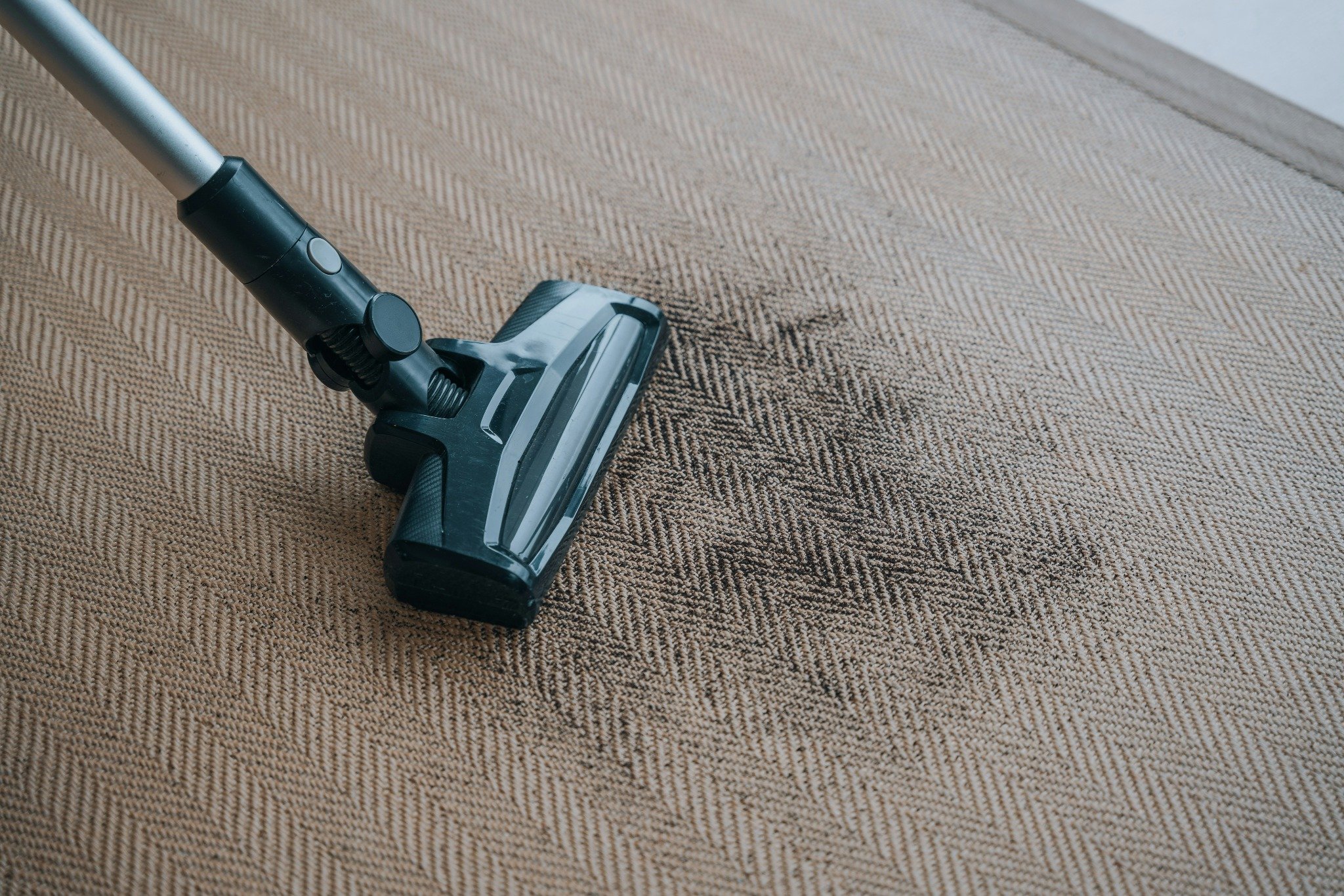
One of the easiest ways to refresh an older couch is to give the upholstery a thorough cleaning. Start by vacuuming beneath the cushions, along seams, and around the frame to remove dust, crumbs, pet hair, and other debris.
Check the manufacturer's care label before applying any cleaner. Different upholstery materials require different methods, and using the wrong product could cause discoloration or damage.
When spot cleaning, pretesting cleaning products on an inconspicuous area can help you check for color changes before treating a visible section of upholstery. Avoid soaking the fabric, since excess moisture can also create problems.
Flattened cushions can make an otherwise usable couch look much older than it actually is. If the covers have zippers, inspect the filling inside.
Depending on the cushion, you may be able to:
If the cushions are still supportive but look compressed, simply rotating them and adjusting the filling may noticeably improve their appearance.
Understanding how to restore a couch also means knowing which imperfections can be fixed without a complete reupholstery project.
Loose legs can sometimes be tightened, while minor scratches on exposed wooden sections may be improved with an appropriate furniture touch-up product. Small seam openings can also be stitched before they become larger tears.
For extensive upholstery damage, however, compare the cost of professional reupholstery with the price and condition of the couch. Restoration doesn't always make financial sense.
Once you've cleaned and repaired what you can, evaluate the couch again. Consider comfort, appearance, structural condition, and whether it still works in your home.
It may be time to let it go if:
If the couch is still clean, safe, and usable but you simply don't need it anymore, donation or reuse may be an option. Green Team's Donation & Reuse Services include pickup of gently used furniture such as sofas and chairs, with reusable items directed toward donation when appropriate.
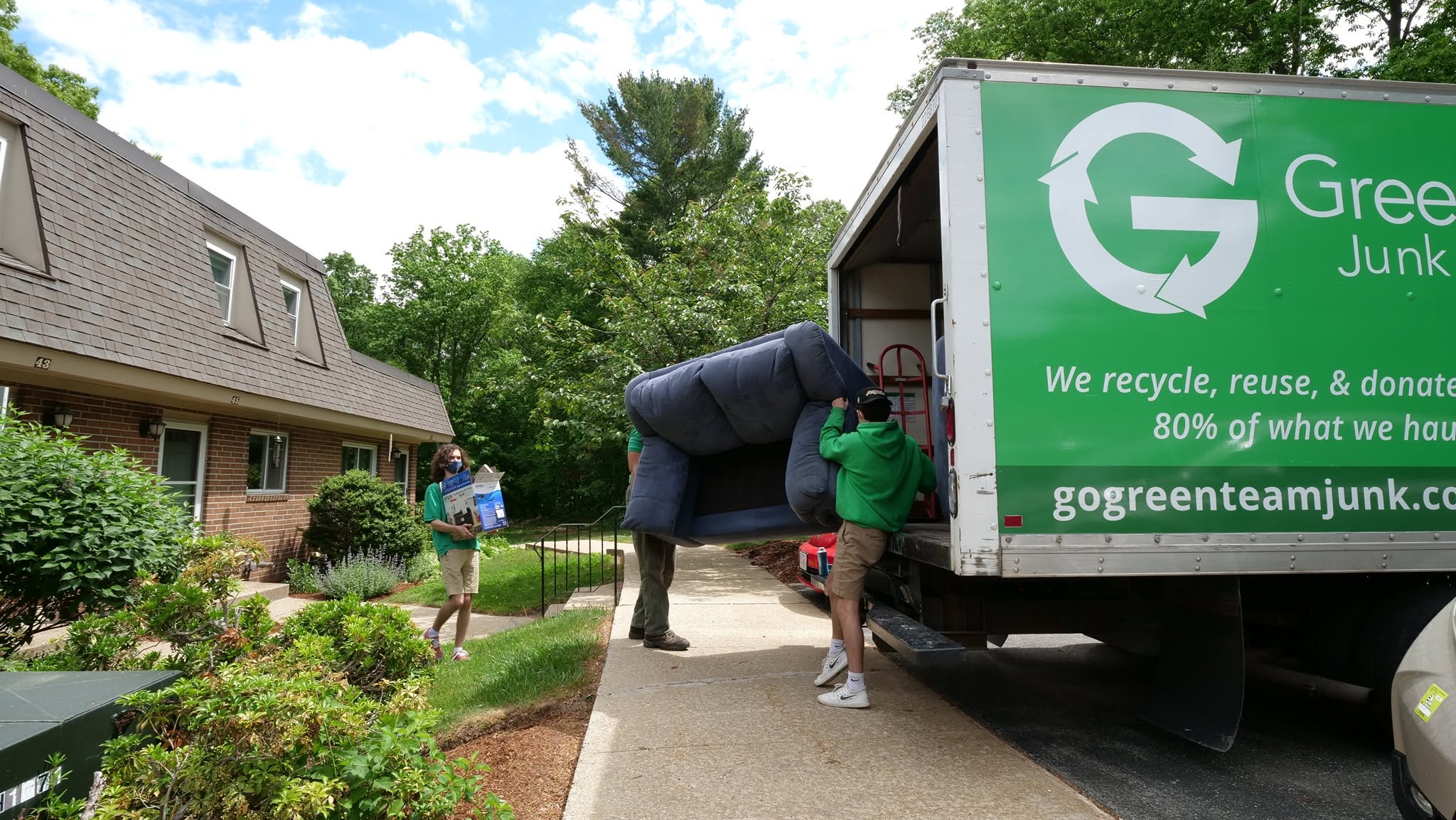
Sometimes cleaning and repairs aren't enough. A badly damaged couch can be difficult to move yourself, especially when stairs, narrow doorways, or oversized sections are involved.
Green Team Junk Removal specifically lists sofas among the bulky furniture it handles through its furniture removal services. The company prioritizes donation and recycling whenever possible when clearing unwanted items.
Before removal, clear personal belongings from beneath and between the cushions and make sure there's an accessible path from the couch to the exit.
Trying to restore an older couch is worthwhile when a good cleaning or minor repair can give it more useful life. When the furniture has reached the point where keeping it no longer makes sense, schedule a pickup with Green Team Junk Removal to discuss your removal needs and find a convenient appointment. Their team can handle the heavy lifting and clear the unwanted couch from your space while prioritizing responsible disposal practices across Massachusetts.
Often, yes. A couch with a solid frame may benefit from upholstery cleaning, cushion replacement, minor repairs, or professional reupholstery.
Depending on their construction, worn cushions may be improved by replacing foam, adding batting, redistributing filling, or regularly rotating reversible cushions.
Yes. A thorough cleaning can reveal whether the couch is genuinely worn out or simply looks old because of accumulated dirt and stains.
Major frame damage, extensive upholstery deterioration, persistent odors, or repair costs that approach replacement cost can make removal the more practical choice.
A usable couch may be suitable for donation or reuse. Furniture that cannot be reused may require professional removal and responsible disposal.
We service all of Massachusetts so if you don't see your town below just mention your zip code in our online form or call us to see if we can accommodate you.