How to Get Rid of Old Carpet: Disposal, Recycling, and Removal Options
October 13, 2026

April 2, 2026


A finished basement can be one of the most useful areas in your home—but it’s also one of the easiest spaces to overlook when it comes to deep cleaning. Over time, dust, moisture, and clutter can build up, affecting both air quality and overall comfort.
For homeowners dealing with packed storage or hard-to-manage cleanouts, Green Team Junk Removal helps clear out unwanted items efficiently, making it easier to fully clean and maintain your basement. With the right approach, deep cleaning becomes more manageable and far more effective.
Finished basements are often used as living spaces, storage areas, or entertainment rooms. Because of this, they collect dust, debris, and moisture just like any other part of the home—sometimes even more due to limited ventilation.
Deep cleaning helps:
Contact Green Team Junk Removal for Construction Debris Removal
Deep cleaning a finished basement is most effective when you follow a clear, structured approach. Instead of jumping straight into cleaning, it’s important to first understand what needs attention—from clutter and dust buildup to hidden moisture issues.
Using a checklist helps break the process into manageable steps, making it easier to clean thoroughly without missing key areas. It also allows you to focus on both visible surfaces and overlooked spots that can affect air quality and overall cleanliness.
The steps below outline a practical basement cleaning checklist designed to help you clean more efficiently, reduce buildup, and maintain a healthier living space over time.
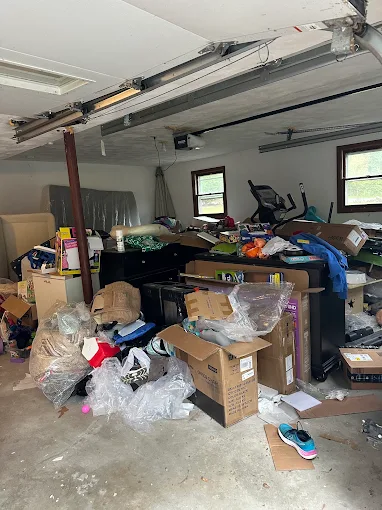
Before any cleaning begins, remove items that don’t belong in the basement. Clutter can trap dust and moisture, making it harder to clean effectively and maintain proper airflow.
Focus on removing:
For larger cleanouts, junk removal and cleanout services can help clear out bulky items quickly, allowing you to focus on deep cleaning.
Dust buildup is common in basements, especially in areas with limited ventilation. Cleaning from top to bottom helps prevent dust from spreading across already cleaned surfaces.
Make sure to clean:
Regular dusting improves air quality and helps maintain a cleaner environment.
Different flooring types require different cleaning methods to maintain their condition.
Proper floor care helps extend the lifespan of your basement flooring.
Walls and fixtures can collect dust, stains, and moisture over time. Cleaning these surfaces improves both the appearance and hygiene of the space.
Focus on:
Moisture is one of the main causes of basement odors and long-term damage. If left untreated, it can lead to mold growth and poor air quality.
Maintaining proper indoor humidity is key, since recommended indoor humidity levels between 30% and 50% help prevent mold growth and moisture buildup — a range widely cited for keeping basements dry and reducing odor-causing conditions.
To manage moisture:
Furniture, rugs, and fabrics in basements can absorb dust and odors over time, especially in enclosed spaces.
Cleaning these materials helps:
Once cleaning is complete, organizing your basement helps maintain it long-term. Proper storage prevents clutter from building up again and makes future cleaning easier.
Consider:
A well-organized basement supports better airflow and reduces the risk of moisture buildup.
Even with a checklist, some mistakes can reduce the effectiveness of your cleaning efforts.
Avoid:
A finished basement should be deep cleaned at least once or twice a year, depending on how often it’s used. Regular maintenance, such as light cleaning and decluttering, should be done more frequently.
Keeping up with routine care prevents major buildup and reduces the effort needed for future deep cleaning.
Deep cleaning a basement becomes much easier when unnecessary items are out of the way. Green Team Junk Removal helps homeowners remove unwanted furniture, clutter, and debris, making it easier to clean and organize the space effectively.
Whether you're preparing for a full deep clean or simply clearing out storage, having the right help can make the process faster and less stressful. Contact us!
FAQs About Basement Cleaning Checklist
A checklist should include decluttering, dusting, floor cleaning, moisture control, and organizing storage areas.
Start by removing clutter, then clean surfaces from top to bottom, address moisture issues, and organize the space afterward.
Regular maintenance, proper storage, and moisture control help keep your basement clean over time.
It can be helpful for large cleanouts, especially when dealing with bulky or unwanted items.
It depends on the size and condition of the space, but following a checklist helps make the process faster and more efficient.
We service all of Massachusetts so if you don't see your town below just mention your zip code in our online form or call us to see if we can accommodate you.